Why Choose the Right Drill Head for Your Project?
Choosing the right Drill Head is a practical decision, not a catalog exercise. It affects penetration speed, hole quality, tool life, energy use, and operator safety. A hard-rock face needs a different cutting profile than loose soil, clay, or fractured limestone. Diameter matters too. A small mismatch can leave rough walls, excessive vibration, or costly rework.
Industry data shows why this choice deserves attention. The U.S. Geological Survey reported that the United States produced about 1.9 billion metric tons of crushed stone in 2023. Much of that supply begins with controlled drilling and rock fragmentation. The International Association of Drilling Contractors also emphasizes equipment selection, formation knowledge, and operating discipline in its safety guidance. These sources do not offer one universal Drill Head. They point toward a better principle: match the tool to the ground, machine, and job objective.
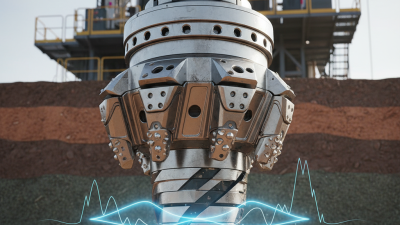
Drilling engineer and author Jim O’Rourke has often stated, “The bit is where the energy meets the rock.” That simple observation remains useful. A carbide button head may suit abrasive formations, while a sharper cutting head can perform better in softer ground. Field experience still matters. Soil logs can be incomplete. Manufacturers’ charts can be optimistic. Operators sometimes choose by price alone, which is understandable but risky. Before ordering, confirm formation strength, moisture, rotation speed, feed pressure, flushing method, and required hole tolerance. The best Drill Head is rarely the most expensive one. It is the one that keeps the machine stable, the hole clean, and the project moving.
What a Drill Head Is and How It Affects Drilling Performance
Why Choose the Right Drill Head for Your Project?
What a Drill Head Is and How It Affects Drilling Performance
A drill head is the cutting end or detachable attachment that enters the material. Its shape, edge design, and construction control how efficiently it removes material. A head made for wood may have a pointed tip and wide flutes. A masonry head usually needs a reinforced tip to handle concrete and brick.
Material matters greatly. A sharp metal-cutting head can create a clean hole in steel, but excessive pressure may overheat its edge. I have seen operators push harder when drilling slows. That shortcut often damages the head instead of improving progress. Lower speed, steady pressure, and suitable cutting fluid usually produce better results.
The head’s diameter also affects drilling performance. A larger head requires more power and creates greater resistance. Flute design controls chip removal, especially in deep holes. If chips remain trapped, friction rises and the hole may become rough or oversized. Not every head performs equally well on every surface.
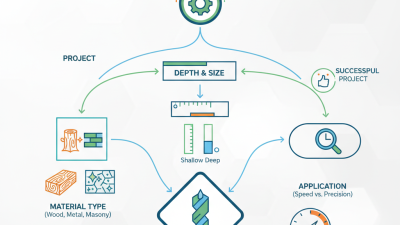
Check the material, hole size, depth, and available tool power before drilling. A head with the wrong point angle may wander across a smooth metal sheet. A blunt head can leave dark heat marks around the opening. These signs deserve attention. They may indicate poor alignment, excessive force, or an unsuitable cutting speed. Even experienced users sometimes overlook one of these details.
How to Match the Drill Head to Your Material and Project
Why Choose the Right Drill Head for Your Project?
How to Match the Drill Head to Your Material and Project
The material should decide the drill head, not its appearance. For clean holes in timber, use a brad-point head with sharp locating spurs. It reduces wandering and leaves a cleaner entry point. For steel, choose a high-speed steel twist head. Use cutting fluid when appropriate, and keep the speed moderate. Excessive heat can soften the cutting edge.
Masonry needs a carbide-tipped head, especially for brick or block. Concrete usually requires a stronger head designed for hammer action. For tile, a diamond-grit hole saw can reduce cracking, but steady pressure matters. Keep the surface cool when the instructions allow water. Do not force the tool. Let the abrasive edge work.
Project details also matter. A large hole needs a suitable diameter and enough power from the drill. Check the shank shape, chuck compatibility, and maximum rated speed before fitting the head. I once focused too much on the material and overlooked the hole depth. That mistake caused unnecessary rework. A pilot hole may help, but it can damage delicate tile or thin sheet metal. Test on a scrap piece when possible. Wear eye protection, secure the workpiece, and replace any head with chipped edges or visible bending.
Key Drill Head Types and Their Best Uses
Choosing the right drill head starts with the material, not the machine. A twist drill suits steel, aluminum, and general workshop tasks. Its sharp point cuts cleanly, but excessive pressure can overheat the tip. Use cutting fluid and steady speed.
For masonry, choose a carbide-tipped masonry head. It breaks concrete and brick through impact rather than slicing. A hammer setting works well for anchors and small utility holes. For wood, a brad-point head leaves a cleaner entry hole than a standard twist bit. Spade heads are faster for large timber holes, although they can tear the exit surface. Step heads work best for thin sheet metal and electrical panels. They create several diameters with one tool, but they are not designed for thick plate.
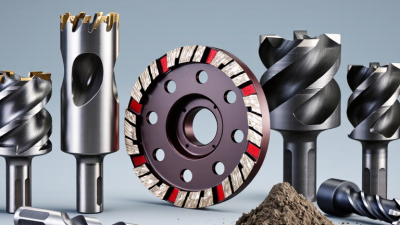
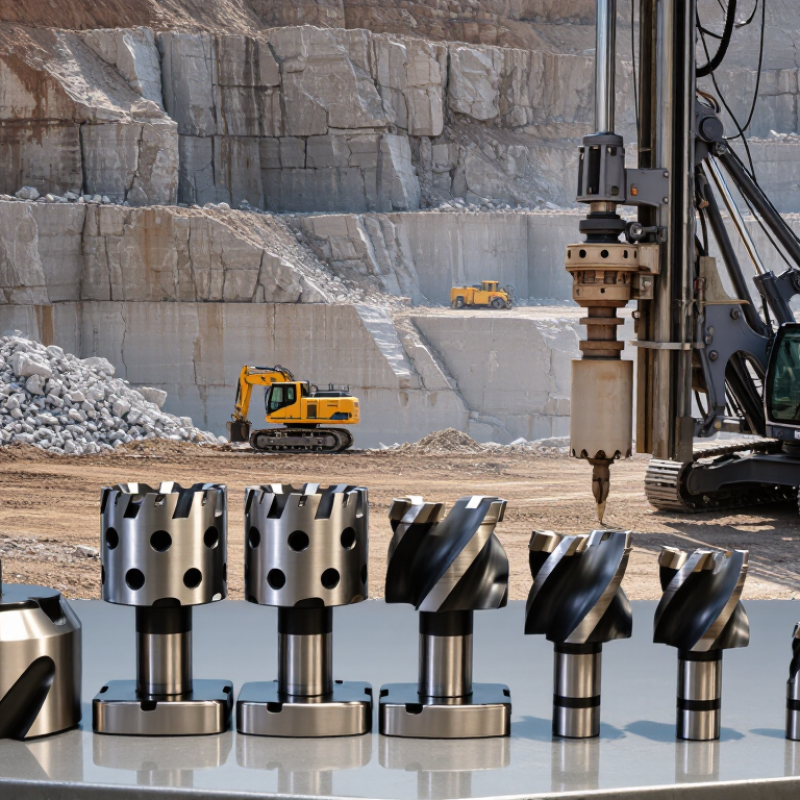
Diamond core heads are suitable for tile, stone, and reinforced concrete when a clean, circular opening matters. In larger ground-drilling operations, rotary heads and tricone designs handle soil, rock, or mixed formations differently. The U.S. Geological Survey’s 2024 Mineral Commodity Summaries reported about 1.5 billion metric tons of crushed stone produced in the United States during 2023, showing the scale of aggregate work and rock drilling demand. Field selection still requires judgment. A published specification can be correct, yet local rock may fracture unpredictably. I have seen operators choose a faster head and lose cutting accuracy. Check hardness, hole diameter, cooling needs, and required finish before drilling. Small details matter.
Factors to Compare Before Selecting a Drill Head
Selecting a drill head starts with the ground, not the catalogue. Soft clay, fractured limestone, and abrasive granite require different cutting structures. The U.S. Department of Energy’s geothermal cost studies place drilling and well construction near 40% of total project capital costs. A poor head choice can therefore become an expensive delay.
Compare diameter, formation strength, required depth, and machine torque before reviewing price. Check the head’s rated rotation speed and flushing method. Water or air must clear cuttings without eroding the face. IADC drilling guidance stresses matching tools to operating conditions and monitoring wear during use. In the field, uneven teeth, rising vibration, or slower penetration often signal a mismatch. Small signs matter.
Wear life deserves careful measurement. Record metres drilled, replacement time, energy use, and downtime for each head. The cheapest option may lose after two replacements. The International Energy Agency’s Global Critical Minerals Outlook 2024 projects strong growth in mineral demand through 2030, increasing pressure on drilling productivity.
Yet laboratory figures do not always survive wet ground or broken rock. I have seen a durable head underperform when flushing was inadequate. That is worth questioning. A short trial on the actual formation can reveal more than a polished specification sheet.
How to Use, Maintain, and Replace a Drill Head Safely
Why Choose the Right Drill Head for Your Project?
How to Use, Maintain, and Replace a Drill Head Safely
A suitable drill head improves control, hole accuracy, and tool life. Material matters. Use masonry bits for concrete, brad-point bits for clean wood, and twist bits for metal. Check the shank and diameter before installation. A loose fit can create vibration, heat, and uneven holes. It can also damage the chuck.
Safety begins before drilling. Disconnect the power before changing any drill head. Wear eye protection, secure the workpiece, and keep sleeves away from rotating parts. OSHA identifies flying particles, burns, cuts, and electric shock as common power-tool hazards. The U.S. Bureau of Labor Statistics reported 2.6 million nonfatal workplace injuries and illnesses in 2023. Small shortcuts still matter. I have seen experienced users skip a chuck inspection when production feels urgent.
Maintain the head after each job. Remove dust with a brush, not bare fingers. Wipe metal heads dry and check for blunt edges, cracks, or blue heat marks. Replace damaged heads immediately. Do not force a dull bit through resistant material. It may slip suddenly. For frequent drilling, monitor vibration and hand exposure. UK HSE guidance sets an exposure action value of 2.5 m/s² and a limit value of 5 m/s² for hand-arm vibration. These figures are useful, but real conditions vary. Grip pressure, tool weight, and work duration still require judgment. A careful pause can prevent a costly mistake.
Why Choose the Right Drill Head for Your Project?
Selecting the correct drill head improves cutting performance, reduces heat buildup, and helps extend tool life. Point-angle selection should match the workpiece material and drilling conditions.
The angles shown are commonly used starting points: sharper angles suit softer materials, while wider angles generally provide better edge strength for harder or tougher metals. Always follow the tool manufacturer’s specifications, use suitable cutting speed and pressure, and replace the drill head when it is chipped, excessively worn, overheated, or no longer cuts cleanly.